Home
How To Lower Your High Blood Pressure Fast And Naturally

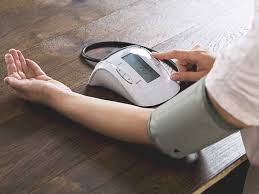
Lower your blood pressure fast & naturally
INTRODUCTION
Before I start,
When was the last time you had your blood pressure checked?
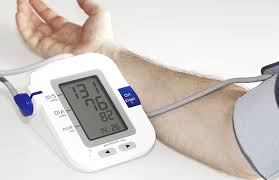
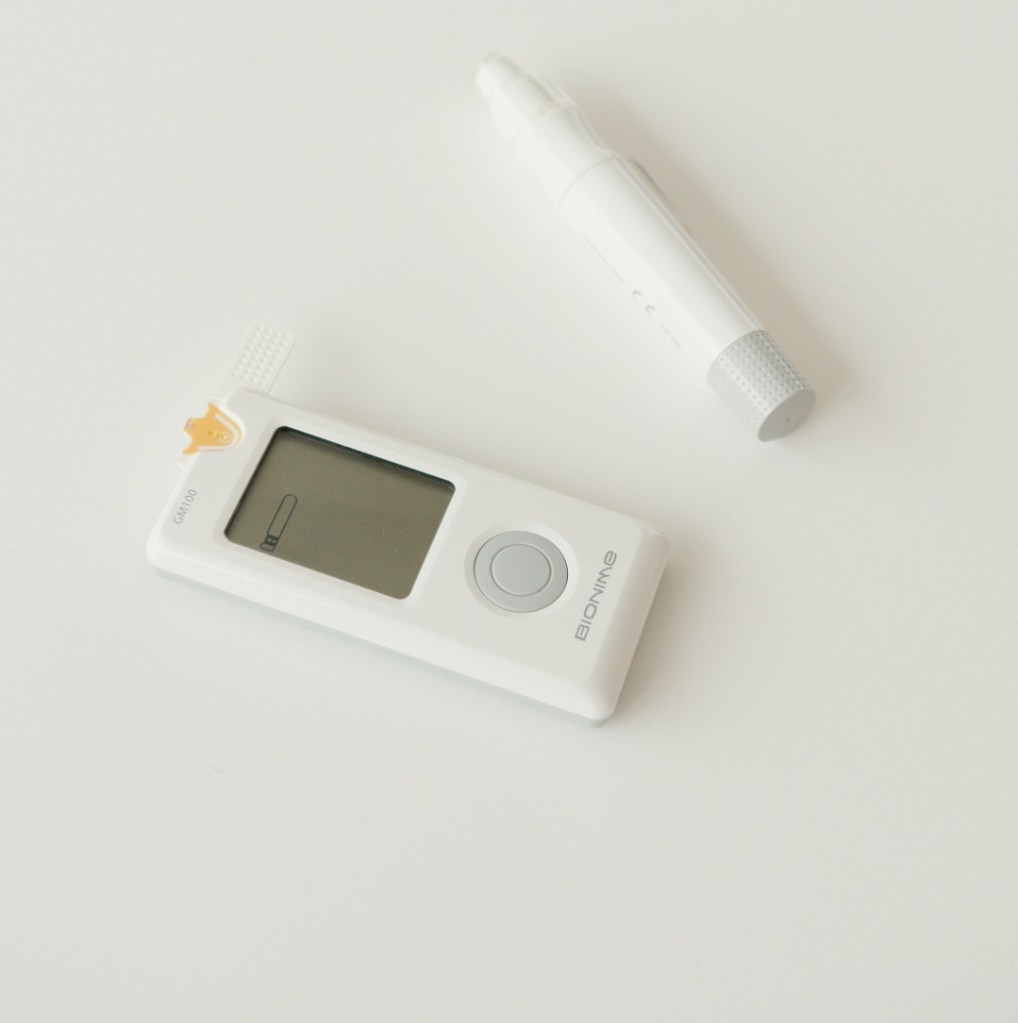
Ok, well recent or not, blood pressure checks should be a routine either by visiting a hospital and health care Centre or purchasing a blood pressure equipment, machine device or tool, whatever you may call it.
I personally recommend purchasing an equipment because at the end of this book, you’ll know the xyz of blood pressure and how to manage it.
Purchasing this equipment will not only help you to cut cost, but also keep you consistent in blood pressure routine checks.
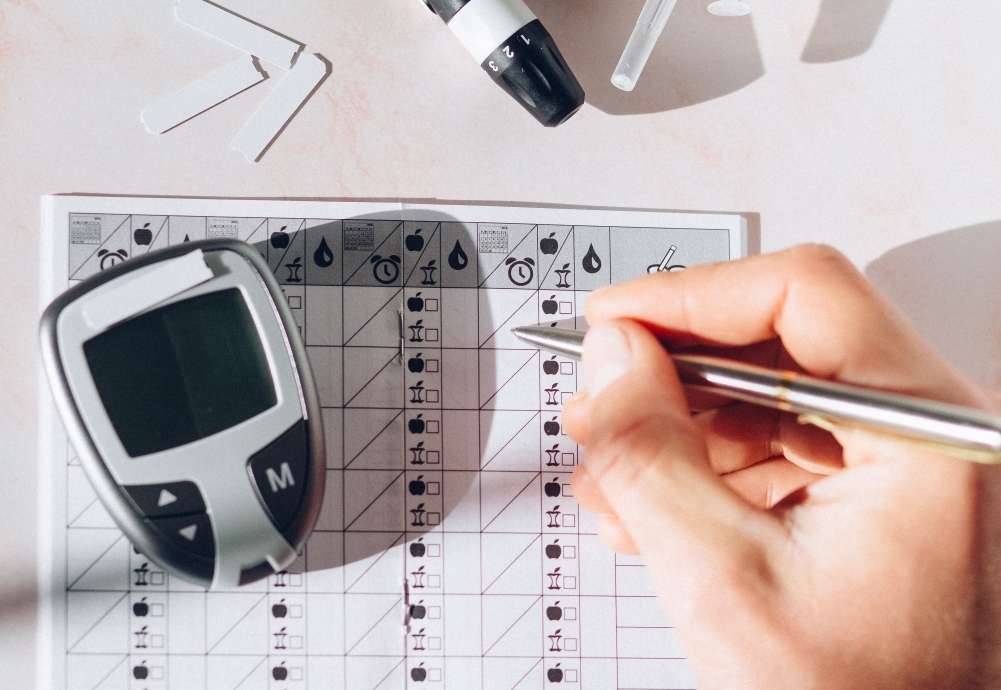
You can purchase a blood pressure record journal from Amazon either from my book store on Amazon or any other store you prefer.
Let’s get into it…
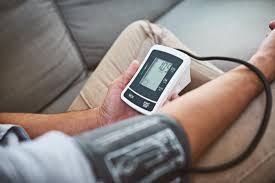
WHAT IS HIGH BLOOD PRESSURE?
Remember that blood is the liquid substance that carries oxygen with all the important nutrient and distributes to the parts needed in the body.
Also, the heart is the machine that constantly pumps this blood using force through pipes we call arteries or blood vessels round the body.
No wonder when you place your ear on the chest of another person you will hear the sound of the vibration of the force exerted by the heart of that person.
Now your blood pressure is the amount of force pushing the blood in your blood pipes (vessels).
This force is what determine high blood pressure, low blood pressure and normal blood pressure, but this book focuses on reducing your high blood pressure to normal, since high blood pressure tends to be more frequent health condition compared to low blood pressure.
Have you ever had a blood pressure check? You’ll notice a reading like this:
120/80mmHg. Well, if you haven’t, I gat you.
Basically when your heart pumps blood it stop and pump and stop and keep repeating the circle consistently, if you place your ears in another person’s chest you’ll hear this sound dum, silent, dum, silent, dum, silent.
Notice in-between the sound dum, there is silence before another dum sound.
Now there are two main pressure in this “dum and silent” process.
The first pressure occur when the heart beat “dum” while the second pressure is the flow of the blood when the heart is “silent.”
So, the amount of force (pressure) when the heart sound “dum” is what is called “Systolic blood pressure” while the pressure (force) that occurs when the heart is silent is called “diastolic blood pressure.”
Now when next you see something like 120/80mmHg, it simply means the amount of pressure (force) the heart exert into the arteries or blood vessels (dum) over the amount of pressure (force) of the blood flow when the heart is at rest (silent) which is:
Systolic pressure/diastolic pressure related to distance or height covered by the blood “mmHg” (millimeter(s) mercury) since both mercury and blood are liquid at room temperature.
You see why the number of Systolic pressure is always greater than the number of diastolic pressure? i.e. 120/80.
If you want to know more about your blood, check out my book “how to lower your cholesterol level fast and naturally” you’ll be glad you did.
Back to the main matter, high blood pressure also called hypertension, occur when the heart works harder to pump blood round the body and the most common of this problems is when the arteries (vessels) become too narrow.
When high blood pressure persist, it will cause strain in the walls of the arteries (vessels) and lead to various health problems, some of which can be life threatening.
Also, According Dr. Sameer K. Mehta, a cardiologist and MD at Denver Heart in Lakewood, Colorado.
Blood pressure is basically the pressure within our arteries, which are the tubes that carry blood away from the heart in order to distribute oxygen to the rest of our bodies.
High blood pressure means that this consistently elevated pressure is more than what your organs and arteries can handle, As a result, the heart and arteries work harder to deliver blood and oxygen to organs.
If this occurs, part of the organs do not function properly and can die.
If the heart has to pump against high blood pressure constantly, the heart muscle can enlarge and eventually lose its ability to function properly.
High blood pressure can increase the risk of developing a heart attack, stroke, kidney failure, eye damage, heart failure and death.
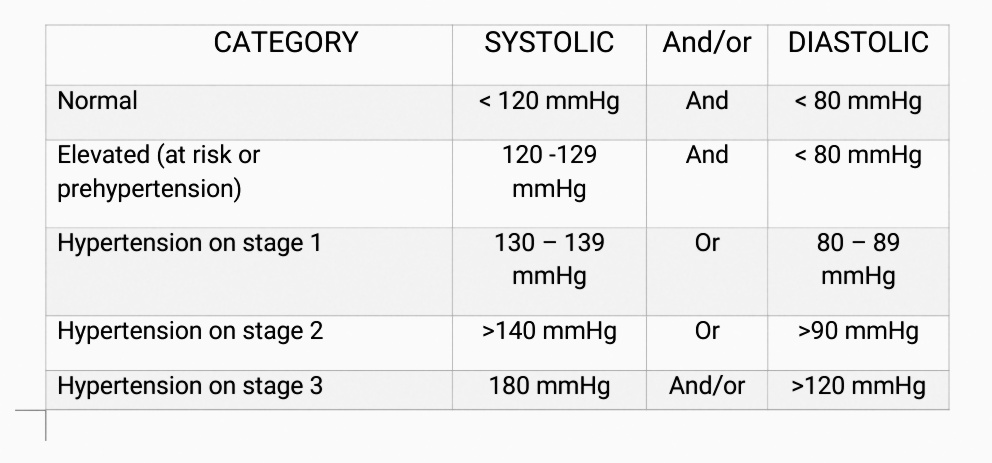
The table below shows how Doctors interpret a person’s blood pressure:
Keys
< = less than
> = greater than
– = to

WHAT ARE THE RISK FACTORS OF HIGH BLOOD PRESSURE?
The actual causes of high blood pressure are not known, but the combination of different factors is what plays the role.
High blood pressure has many risk factors, including:
- Age. As you age the risk of high blood pressure increases. HBP is more common in men while women are likely to develop HBP after age 65.
- Race. High blood pressure is mostly common among people of African heritage, often developed at an earlier age than it does in whites. Serious complications such as stroke, heart attack and kidney failure are also more common among people of African heritage.
- Family history. High blood pressure tends to run in a family with a record history of HBP conditions.
- Being overweight or obese. The more you weigh the more you need oxygen supply to your tissues. As the amount of your blood vessels increases, so on the pressure of your artery (vessel) walls.
- Not being physically active. People who are inactive tends to have high heart rate, the harder your heart works with each contractions, the stronger the force on your arteries. Lack of physical activities leads to increase in weight.
- Using tobacco. Smoking or chewing of tobacco do not only immediately raise your blood pressure temporarily, but the chemicals in tobacco can damage the linen of your artery walls which can cause your arteries to narrow and increase your risk of heart disease.
- Too much salt (sodium) in your diet. Having too much sodium in your diet can cause your body to retain fluid which increase blood pressure.
- Too little Potassium in your diet. Potassium help balance the amount of sodium in your cells. A proper balance of Potassium is critical for good heart health. If you don’t get enough Potassium in your diet or you lose too much Potassium due to dehydration or other health conditions sodium can build up in your blood.
- Drinking too much alcohol. Heavy consumption of alcohol can damage your heart over time. Having more than one drink for women and two drinks for men a day may affect your blood pressure. If you drink alcohol, do so in moderation for healthy adults, it means one drink a day for women which equals to 12 ounces of beer, 5 ounces of wine or 1.5 ounces of 80-proof liquor and for men, it is two times the figures mentioned.
- High level of stress can lead to a temporary increase in blood pressure. Stress related habits like eating more, using tobacco or drinking alcohol can lead to further increase in blood pressure.
- Certain chronic conditions. Some chronic conditions may increase your risk of high blood pressure, including kidney disease, diabetes and sleep apnea.
- Sometimes pregnancy contributes to high blood pressure as well.
- High blood pressure is most common in adults, children may be at risk if they have problems with their kidneys or heart.
- Also, poor lifestyle habits such as unhealthy diet and lack of exercise contribute to high blood pressure.
WHAT ARE THE COMPLICATION AND SYMPTOMS OF HIGH BLOOD PRESSURE?
Excess pressure on your artery walls caused by high blood pressure can damage your blood vessels as well as your organs.
The higher your blood pressure the longer it goes uncontrolled and the greater the damage.
Uncontrolled high blood pressure can lead to complications, including:
Heart attack or stroke. High blood pressure can cause hardening and thickening of the arteries (atherosclerosis), which lead to heart attack, stroke or other complications.
Aneurysm. Increase blood pressure can cause your blood vessels to weaken and bulge, forming an aneurysm. If an aneurysm ruptures, it can be life threatening.
Heart failure. To pump blood against the higher pressure in your vessels, the heart has to work heated.
This cause the walls of heart’s chamber to thicken (Left ventricular hypertrophy). Eventually, the thickened muscle may have a hard time pumping enough blood to meet your body’s needs, which can lead to heart failure.
Weakened and narrowed blood vessels in your kidneys. This can prevent the organs from functioning normally.
Thickened narrowed or torn blood vessels in the eyes. This can result in vision loss.
Metabolic syndrome. This syndrome is a group of disorders of your body’s metabolism, including increased waist size, high triglycerides, decreased high-density lipoprotein (HDL) cholesterol (the good cholesterol), high blood pressure and high insulin levels.
These conditions make you more likely to develop diabetes, heart disease and stroke.
Trouble with memory or understanding. Uncontrolled high blood pressure may also affect your ability to think, remember and learn.
Trouble with memory or understanding concept is more common in people with high blood pressure.
Dementia. Narrowed or blocked arteries can limit blood flow to the brain, leading to a certain type of dementia (vascular dementia).
A stroke that interrupts blood flow to the brain also can cause vascular dementia.
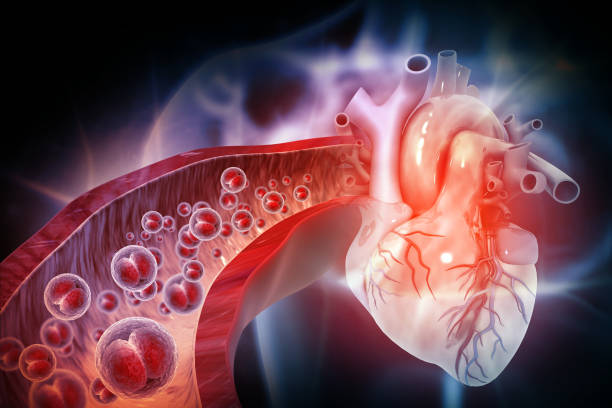
HOW TO LOWER YOUR HIGH BLOOD PRESSURE FAST AND NATURALLY?
Lose Weight if You’re Overweight
Weight loss is an important part of reducing high blood pressure, especially for people with obesity, People who are overweight can have between a two-to-six-fold increase in risk of developing hypertension.
“With less weight, the heart and arteries do not have to work as hard, “The heart muscle and the muscles in the arteries do not thicken.
Thickening can lead to further increases in blood pressure because of the elasticity of blood vessels.
To reduce weight, talk to your doctor or registered dietitian about a safe weight loss plan that will work for you.
Exercise
Regular exercise not only aids in weight loss, but also helps decrease high blood pressure.
A 2016 study found blood pressure decreased in the hours after an exercise session regardless of a person’s age, sex and other characteristics.
Most doctors recommend at least 30 minutes of moderate-intensity aerobic exercise each day.
Aerobic exercise gets the heart rate up in a gradual and consistent fashion, helps to stretch the heart and arteries, and also increases blood flow to the organs, If you can’t do 30 minutes, at least try 15 to 20 minutes a day, five to seven days a week.
Some aerobic exercise options include walking, running, swimming, using an elliptical machine, cycling and playing tennis.
Decrease Your Salt Intake
Salt is the enemy of high blood pressure, when you eat too much salt, it increases the amount of fluid that enters the bloodstream and arteries from the surrounding tissue, which raises the pressure in the arteries.
While you may not have to remove salt from your diet completely, avoid foods very high in salt like chips, french fries, salted nuts, soups, store-bought salad dressings, processed foods and cheese.
Avoid Excess Caffeine
Drinking too much coffee or too many energy drinks that contain caffeine isn’t recommended for people with high blood pressure.
“Caffeine is a form of adrenaline, It constricts the arteries and raises the heart rate, both of which increase blood pressure.”
According to Dr. Mahta, If you have high blood pressure, ask your doctor whether you need to adjust your morning coffee habit, because high levels of caffeine can worsen blood pressure control.
The Food and Drug Administration (FDA) considers four cups of coffee a day which is equivalent to 400 milligrams safe for the general population, but most experts recommend 200 milligrams or less which is two cups of coffee, for people with established hypertension.
Drink Water
Staying hydrated may be an important way to keep your blood pressure reading in a normal range. “When you’re dehydrated, the body produces stress hormones to maintain blood flow to organs,” and this response can increase blood pressure.
Ditch Alcohol
A 2019 study conducted by the American College of Cardiology found moderate alcohol consumption, defined as seven to 13 drinks a week, can substantially increase risk of high blood pressure.
Alcohol can increase body weight, deplete the body of magnesium and potassium, and also keep the body dehydrated.
Alcohol increases stress levels, which will result to elevated blood pressure over time.
Eat More Foods High in Magnesium
Incorporate high-magnesium foods into your diet. like leafy green vegetables and unsalted almonds.
Avoid Processed Foods
A healthy diet plays an important part in reducing high blood pressure, so many doctors recommend reducing consumption of processed foods because Processed foods are often loaded with sodium and saturated fats and those are the two things people with hypertension want to avoid.
“A good rule of thumb is to have multiple colors of food on your plate, like berries, bananas, beets, dark chocolate, kiwis, watermelon, oats, garlic, lentils, pomegranates, cinnamon, unsalted pistachios and fermented foods like yogurt.
Reduce Stress Through Meditation and Rest
“Chronic stress can lead to chronic elevations in the stress hormones cortisol and adrenaline,” “These hormones constrict the arteries and cause weight gain, which further increases blood pressure.”
So, it is recommended to log in quality sleep, taking breaks throughout the day, spending time in nature, listening to music and eating a balanced diet.
Quit Smoking
“Smoking leads to constriction of the arteries acutely, and contributes to the development of high blood pressure,” according to Dr. Mehta, a study in Hypertension found smoking can cause an immediate but temporal increase in blood pressure.
So, take the steps you need to quit smoking if you have hypertension.
If you are still confused on the diet to take, Try the DASH Diet
The program; Dietary Approaches to Stop Hypertension known as (DASH) diet, is “the best studied dietary approach to helping with hypertension.” It consists of foods rich in potassium, calcium, magnesium, fiber, protein and low in saturated fat and sodium.
Before I conclude, Doctors and researchers like Dr. Desai refer to high blood pressure as “the silent killer” because there typically are no symptoms, which is why it’s so important to monitor your blood pressure, especially if you are already at risk.
Conclusion
High blood pressure (hypertension) is a common condition in which the long-term force of the blood against your artery walls is high enough that it may eventually cause health problem, such as heart disease.
Blood pressure is determined both by the amount of your blood your heart pumps and the amount of resistance to blood flow in your arteries.
The more blood your hearth pumps the narrower your arteries, the higher your blood pressure.
A blood pressure reading is given in millimeters of mercury (mm Hg). It has two numbers.
Top number (systolic pressure). The first, or upper, number measures the pressure in your arteries when your heart beats.
Bottom number (diastolic pressure). The second or lower number, measures the pressure in your arteries between silence.
You can have high blood pressure for years without any symptoms. Uncontrolled high blood pressure increase your risk of serious health problems, like heart attack and stroke.
Fortunately, high blood pressure can be easily detected. And once you know you have high blood pressure, you can work toward controlling it.
COULD IT BE THAT I’M SUFFERING FROM MENTAL HEALTH?


When you see or hear the word mental health, what comes to your mind? Aha! I know.
Well, mental health is far from what you think, infect, most people suffering from mental health are not aware.
This ignorance has succeeded in limiting the world from achieving its global development goals, also leading people to depression and suicide.
Acknowledging its importance and keeping track of your state of mental health is the key to achieving your goals.
Now,
What is mental health?

Your emotions, social well-being and psychology are what makes up your mental health.
These results to how you think, feel, and act when dealing with life challenges, also influences how you manage stress, socialize, and make decisions.
From childhood to adolescence and adulthood to old age, mental health is important.
Why is mental health Important?

General health includes both mental and physical wellness.
Depression, for example, raises the risk of a variety of physical health issues, particularly long-term diseases like diabetes, heart disease, and stroke.
Similarly, chronic illnesses can raise the chance of mental disease.
What are the Signs that reveals mental health?

If you are still not sure of suffering from mental illness, One or more of the feelings or behaviours listed below can be an early warning indication of a problem:
- Isolating yourself from people and activities by sleeping or eating too much or too little
- Lacking or having no energy.
- Feeling numb or nothing seems important.
- You’re experiencing unexplained aches and pains.
- Having the feelings of powerless or hopeless.
- Smoking and drinking beyond normal or drug use.
- Noticed frequent Feelings especially perplexed, forgetful, upset, frightened, agitated, furious or afraid?
- Family and friends yelling or fighting.
- Experiencing significant mood swings that are causing relationship troubles.
- Hearing voices in your head.
- Thinking of harming yourself or others.
- Inability to carry out daily activities like caring for your children or going to work or school.
What Causes Mental Health?

Biological factors, like the Family history of mental health problems, imbalances or disorders in any part of the body, and brain complications.
Life experiences, such as abuse, trauma, witness to violence, assault or poverty.
Social Factors mostly feeling lonely or isolated
How can I improve my Mental Health?

Express your emotions
Talking to someone about your feelings might help you improve mental health and cope with difficult times or situations.
Continue to be active
Regular exercise can help improve your self-esteem, also assist you in concentrating, sleeping, and feeling better.
Exercise not only makes your brain and other essential organs healthy, but it also helps you improve your mental health.
Eat healthily
Just like your other body organs, your brain needs a variety of nutrients to stay healthy and perform properly.
A diet that is good for your body will also be good for your mental well-being.
Drink moderately
You mostly drink alcohol to escape a mood. Some people drink to cope with their fears of loneliness, but this is only a temporal solution.
After the drink wears off, the alcohol has affected your brain and the rest of your body making you feel worse.
Drinking is not a smart technique to manage negative emotions.
Maintain contact
Meeting someone in person is the best way to catch up, but it is not always possible.
You can also call them, send messages, or chat with them online.
Stay open to channels of contact; it is healthy for you!
Seek assistance
We aren’t all superhuman. There are times we feel exhausted or overwhelmed when things don’t go as planned.
If things get too much and you think you can’t handle it, ask for help.
Your family or friends can offer assistance or a sympathetic ear.
Local services are available to assist you.
Have a rest
A little break such as a five-minute break from cleaning activities, a lunch break at work, or a weekends trip to a new location might help you to de-stress.
Make some ‘’me time’’ for yourself.
Do something you enjoy doing.
What do you like doing and the process lose track of time? What used to be your favourite pastime?
Stress can be alleviated by having fun in what you love.
This suggests doing something you enjoy and are probably good at because accomplishing anything increase your self-esteem.
Accept yourself for who you are.
Everyone is unique. Accepting who you are is way better than wishing you were someone else.
Feeling good about yourself boost your confidence to do new things, go to new places, and meet new people.
When life throws you a ball, self-esteem can help you manage it.
Take care of others
True Friends are really valuable, remember, it’s a two-way street because we help each other whenever we can, and helping them lifts us.
Caring for others can help you maintain good relationships with individuals you care about. It may even help you become closer.
Conclusion
- Express your emotions.
- Continue to be active.
- Eat healthily.
- Drink moderately.
- Maintain contact.
- Seek assistance.
- Have a rest.
- Do something you enjoy doing.
- Accept yourself for who you are.
- Take care of others.
© 2022 health with julius
FAST WAYS TO IMPROVE YOUR CHOLESTEROL LEVEL NATURALLY

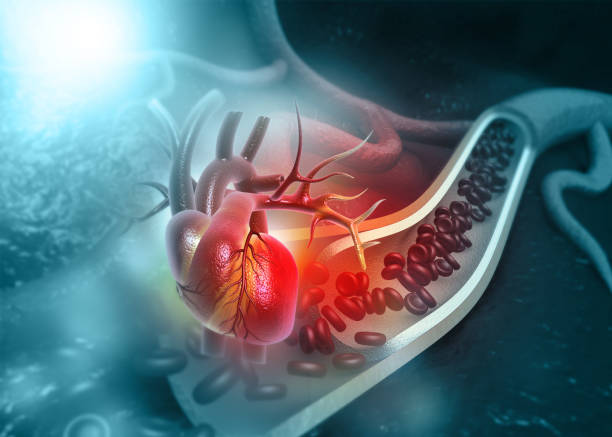
This is the most valuable article you will ever read to improve your cholesterol level naturally.
The best part is;
This article will not only help you reduce your cholesterol level, but will help you moderate your cholesterol level fast and naturally.
Before you dive in,
At the end of this article, you will know;
- What cholesterol is
- The sources of cholesterol
- Which diet contains a high level of cholesterol
- Which cholesterol-rich food contains essential nutrients
- The cholesterol-rich food you should avoid
- The effect of high cholesterol
- The fast ways to improve your cholesterol level naturally
First,
There are two (2) types of cholesterol;
1. High-Density Lipoprotein (HDL) or good cholesterol. It absorbs and carries cholesterol back to the liver and the liver then flushes it out of the body.
HDL cholesterol reduces your risk of heart diseases and stroke.
2. Low-Density Lipoprotein (LDL) or bad cholesterol. It has high calories which result in heart diseases, diabetes and obesity.
Now,
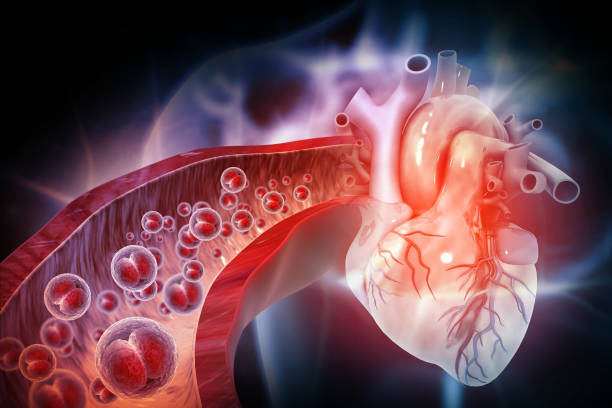
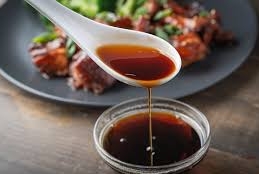
What is cholesterol?
Cholesterol is like a waxy, fatty substance that is found in the cells of your body. Your body needs some cholesterol for body nourishing to function properly.
It is important in the production of hormones, vitamin D, and essential for digesting fats.
It also strengthens your cell membranes and makes them flexible.
What are the sources of cholesterol?
There are two main sources of Cholesterol in your body, these sources are your liver and the food you consume daily.
If the food you consumed has a high level of cholesterol, it forces your liver to produce more cholesterol in your blood and having too much cholesterol in your blood results in your risk of coronary artery disease.

What diet contains high level of cholesterol?
Over the years, foods that have a high level of cholesterol have been deleted from people’s menu of healthy diet fearing the risk of heart diseases.
However, recent research shows that some healthy yet cholesterol-rich foods are not harmful but instead, loaded with some essential nutrients lacking in many diets.
There are two (2) types of diet that contains a high level of cholesterol;
The cholesterol-rich yet loaded with essential nutrients diet and the food containing a high level of cholesterol that needs to be avoided at all cost.
Which cholesterol-rich foods contain essential nutrients?
Some of these essential nutritious cholesterol-rich foods are ;

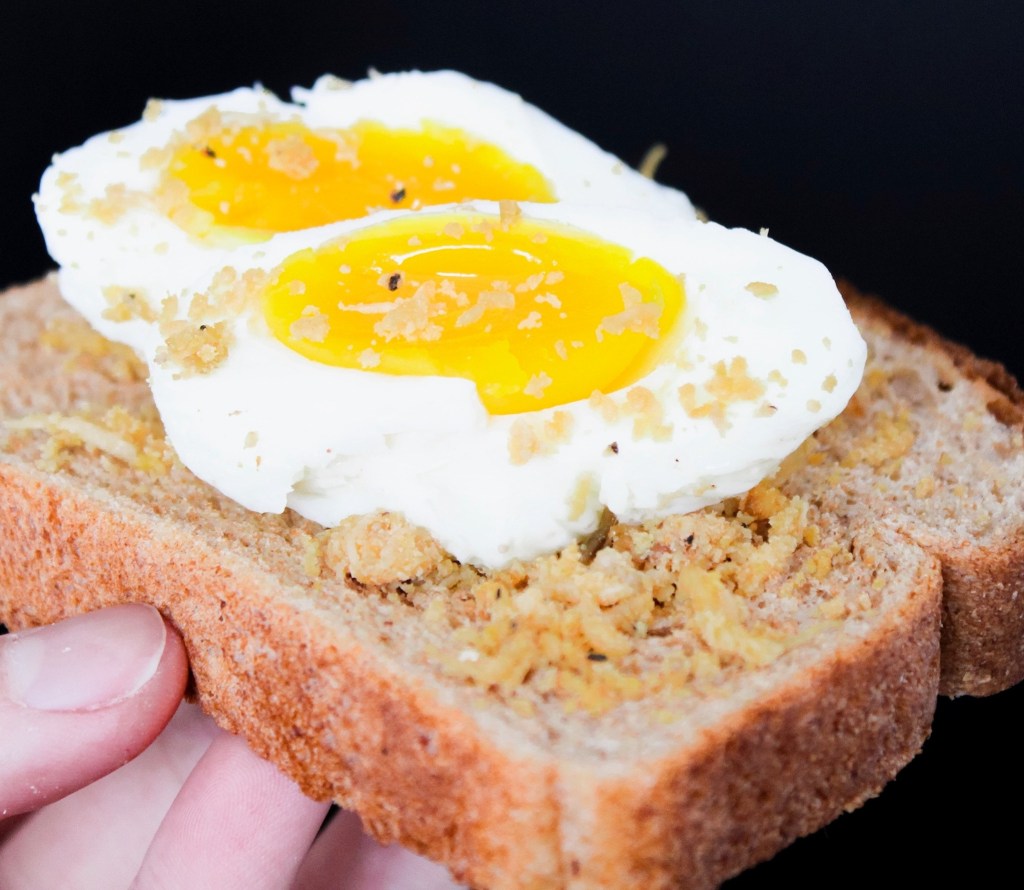
Eggs
Eggs are perceived to be one of the high cholesterol-rich food to avoid but it’s one of the essential nutritious food that should be in a diet.
Eggs contain HDL (high-density lipoprotein) cholesterol.
According to research, HDL (high-density lipoprotein) cholesterol absorbs and carry cholesterol back to the liver and the liver then flushes it out of the body.
HDL cholesterol minimises your risk of heart diseases and stroke.
HDL is called ‘’a good cholesterol’’ because it contains vitamin A, selenium, and several vitamin B. Experts recommend 1-3 eggs per day for healthy people.

Shellfish
Shellfish is known as a high cholesterol level food yet it is a good source of protein, vitamin B, selenium and iron.
In addition, shellfish contains antioxidants and amino acids which prevent heart diseases and lower bad cholesterol.
Example of shellfish includes; crap, clams and shrimp.
Organ meats
Organ meat is unarguably HDL (high-density lipoprotein) cholesterol-rich and nutritious.
A study in Korean adults shows that moderate consumption of unprocessed organ meat, lower the risk of heart disease.
Some of these organs meats are the heart, kidney and liver.
The chicken heart is a good source of antioxidants, vitamin B12, zinc and iron.
Sardines
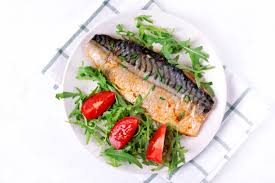
Sardines are not less than 131 mg of cholesterol but are highly nutritious and an excellent source of protein.
In addition, sardines are a good source of vitamin E, selenium, zinc, phosphorus, magnesium and copper.
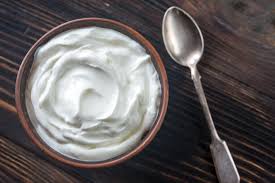
Yoghurt
Yoghurt is a cholesterol-rich food that is highly nutritious, especially in protein.
Yoghurt contains essential nutrients such as calcium, magnesium, B vitamins, potassium and zinc.
It has been confirmed through research that fermented produced yoghurt, reduces LDL (bad) cholesterol, blood pressure and lower the risk of heart diseases, diabetes and stroke.

Which cholesterol-rich foods should I avoid?
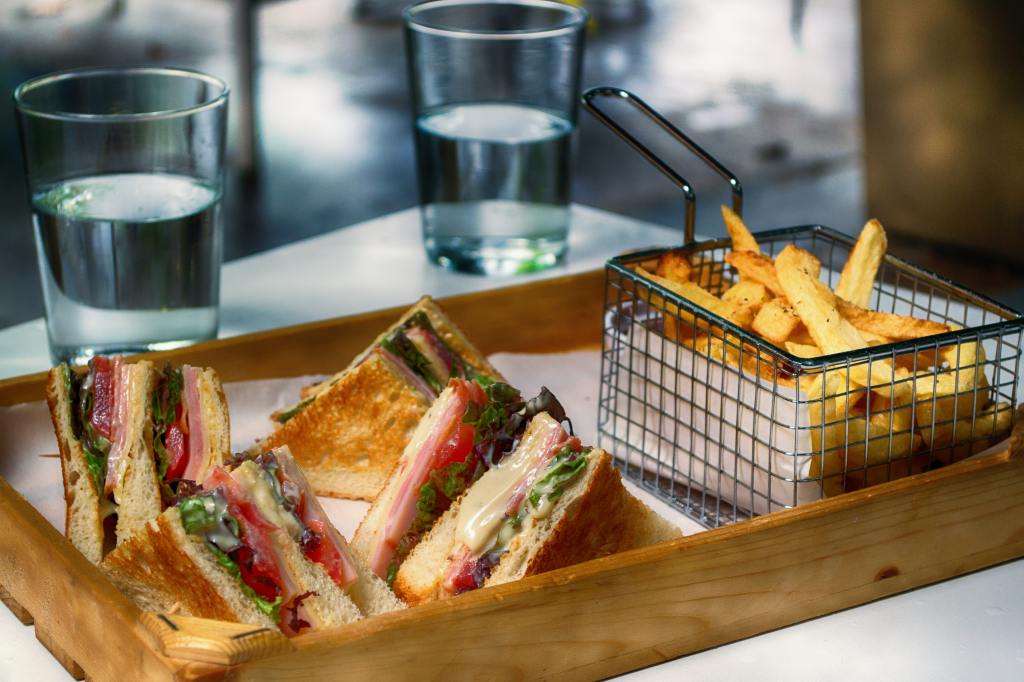
Fast food
Regular intake of fast food comes with a high risk of chronic conditions such as obesity, diabetes and heart diseases.
In addition, fast food increases the risk of blood sugar regulation, high levels of inflammation, belly fat and heart diseases.

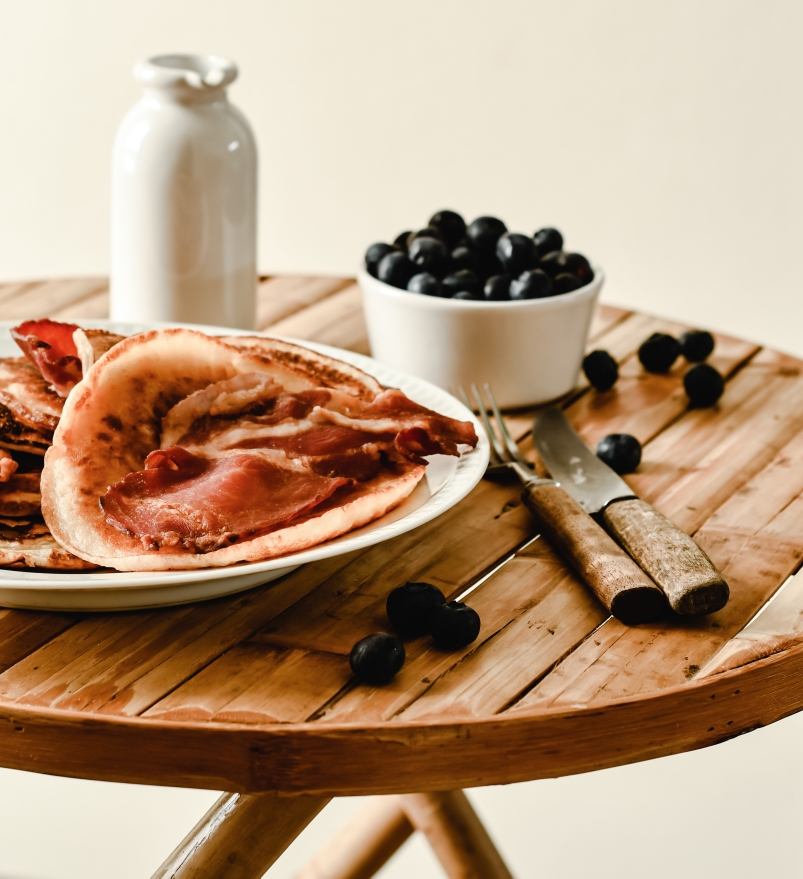
Processed meat
Bacon, sausages and hot dogs are some examples of processed meats you should avoid in your diet.
Frequent intake of processed meat if not limited, can result in heart diseases and colon cancer.
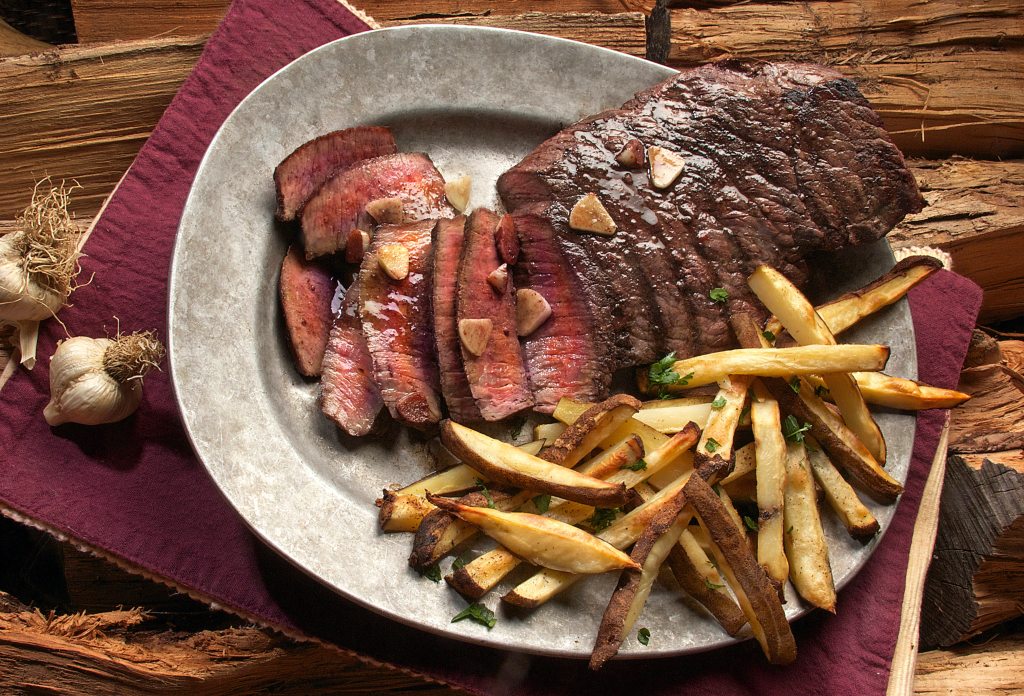
Fried food
Low-Density Lipoprotein (LDL) or bad cholesterol is mostly associated with fried foods.
It comes with high calories and contains trans fats which result in heart diseases, diabetes and obesity.
What are the effects of high levels of cholesterol?
The effects of the high levels of cholesterol as mentioned in the diet to avoid above are enormous.
Some of the effects of LDL (bad) cholesterol includes;
- Obesity
- Diabetes
- Heart diseases.
- Blood sugar regulation
- High level of inflammation
- Belly fat
- Colon cancer etc.
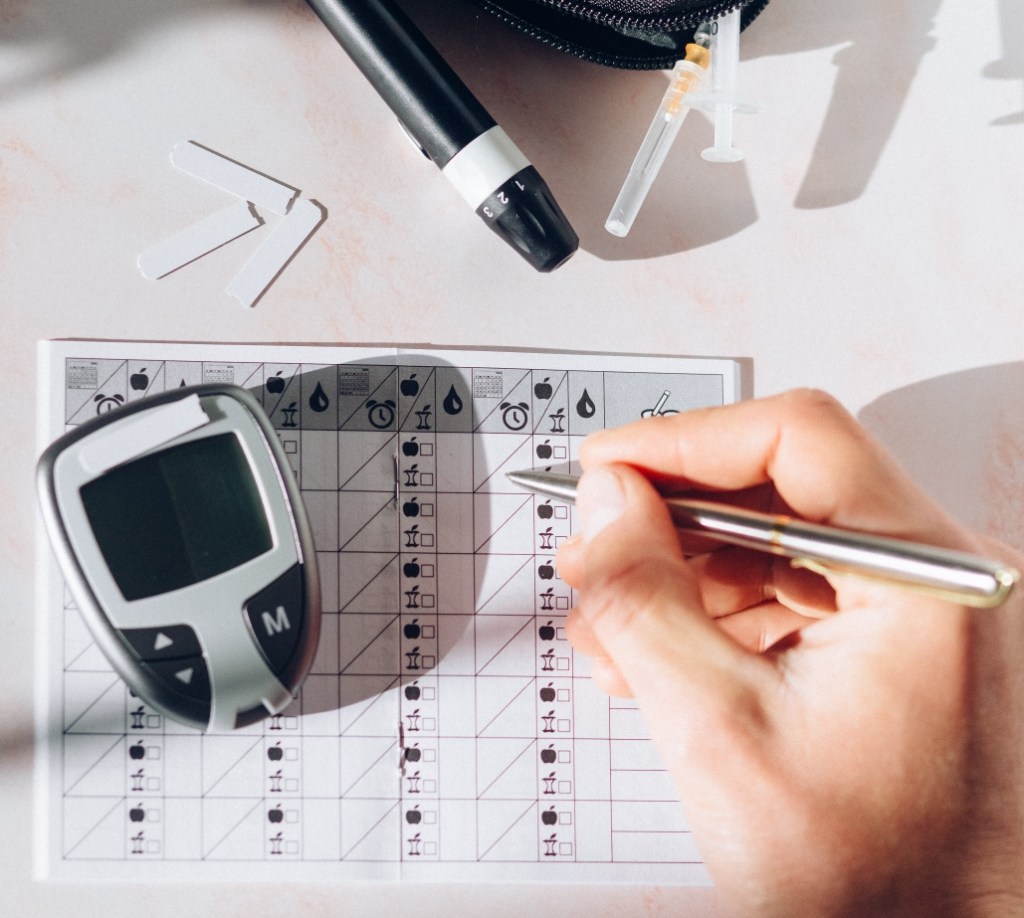
What are the Fast ways to improve cholesterol levels naturally?
The main boost to cholesterol level in your body is your lifestyle choices and changing this lifestyle will be the key to improving your cholesterol level fast.
Some of these lifestyle changes include;
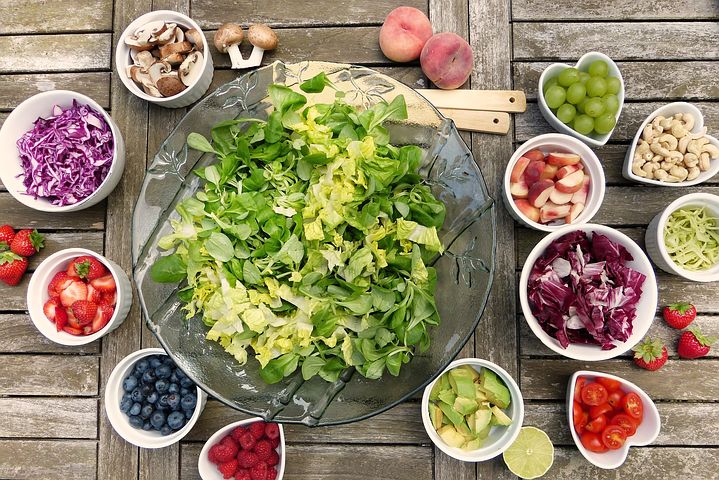
Taking Fruits, Vegetables, Whole Grains, and Beans
You don’t have to be a vegetarian to improve your cholesterol level to a healthy range.
Studies show that eating more vegetables, fruits, potatoes, and other naturally-fibre-rich plant foods makes us healthier.
Foods rich in soluble fibre are beneficial in lowering LDL (bad) cholesterol levels.
Some excellent sources include beans like;
pinto beans, black beans, etc. Also, yams, oats (yes, your oatmeal!), berries, and barley.
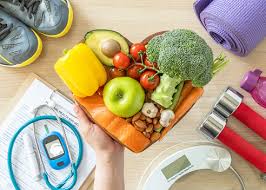
Reduce fat intake and eat heart-healthy food
Saturated fats primarily found in red meat and full-fat dairy products raise your cholesterol level.
Reducing the level of fat intake will help control the level of low-density lipoprotein (LDL) bad cholesterol.
Trans fat is a food labelled as partially hydrogenated vegetable oil which is used in store-bought cookies, crackers and cakes.
Trans fat raises the level of cholesterol and the food and drugs administration has banned the use of partially hydrogenated vegetable oil on January 1, 2021.
Eating food rich in omega-3 fatty acids will improve your heart health and reduce your blood pressure.
Some excellent sources of omega-3 fatty acids include salmon, mackerel, herring, walnuts and flaxseed
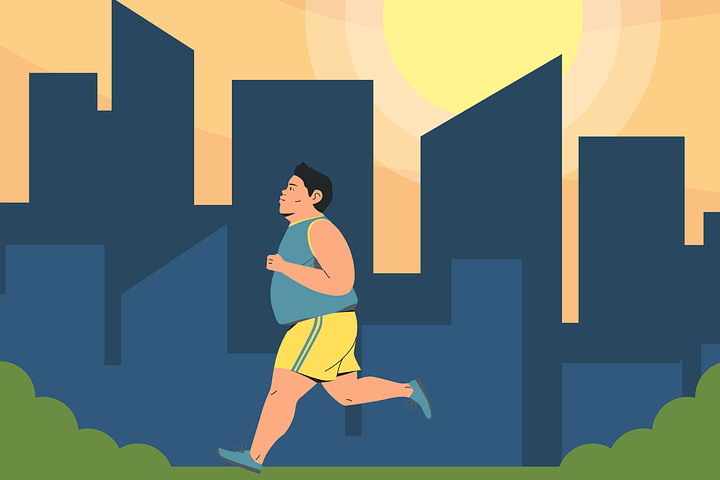
Exercise and moderate physical activity
Regular exercise not only aids in weight loss but also helps improve your cholesterol level.
Doctors recommend a minimum of 30 minutes of moderate-intensity aerobic exercise each day.
Aerobic exercise helps to raise high-density lipoprotein (HDL), the good cholesterol.
Moderate physical activity like taking a daily walk, riding a bike and playing your favourite sport can help to control LDL (bad) cholesterol levels.
To help be consistent, consider joining an exercise group or finding an exercise buddy (friend).
Check out the range of Amazon Fitness kits” target=”_blank”>Amazon Fitness kits that will help you exercise in the comfort of your home.

Quit Smoking
The benefit of quitting smoking is rapid as it improves your HDL (good) cholesterol level.
Within a little while of quitting, your blood pressure and heart rate recover from cigarette-spike.
Also, you will notice your blood circulation and lungs function begins to improve.
If long enough, the risk of heart disease will be gone
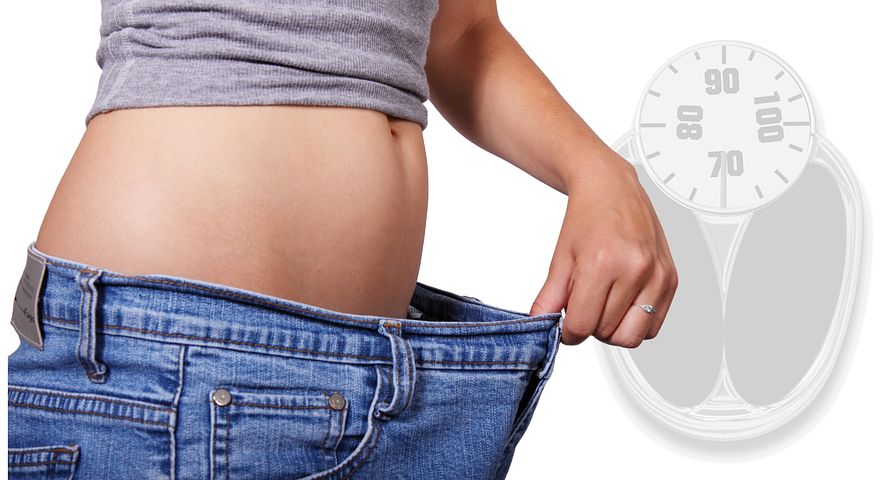
Lose Weight
Little changes in weight loss to great results as carrying extra pounds contributes to a high level of cholesterol.
If you are used to drinking sugary beverages, switch to a regular intake of water.
Add more activities into your daily routines, such as using the stairs instead of taking an elevator, parking your car a bit far from your office, taking a walk in your workplace during break or free time.
Also, increase your standing during activities like cooking or yard work.

Moderate Alcohol Intake
Moderate intake of alcohol is said to be linked with a higher level of HDL (good) cholesterol, but this is not enough benefit to recommend alcohol for anyone who does not drink.
Too much alcohol intake can lead to serious health conditions such as high blood pressure, heart failure and stroke.
Conclusion
The Fast ways to improve cholesterol levels naturally are;
- Taking Fruits, Vegetables, Whole Grains, and Beans
- Reduce fat intake and eat heart-healthy food
- Exercise and moderate physical activity
- Quit Smoking
- Lose Weight
- Moderate Alcohol Intake
Simple Ideas for a Healthy Lifestyle…


- Eat good food, by that I mean a balanced diet. A little bit of everything is not bad, but too much of everything is the opposite.
- Always drink water even when you don’t want to. Staying hydrated is a big boost to body metabolism (digestion and conversion of food to energy).
- Keeping fit through regular exercise will not only burn your body fat and keep you in good shape but will also give you the ability to control your body. Remember how good it feels when you’re in control.
- Stress is the number one boost to different ailments in the body and if you have a phobia of falling sick, which I believe every reasonable human being do, then you must manage stress by having a good sleep and rest.
- If I have superpowers, I will stop you from taking alcohol, but since I’m a human being like you and I know how we can be addicted to some lifestyle characters, then I’ll advise you to reduce your alcohol intake because it doesn’t only affect your system, but also lead to accidents and injuries.
- Stop smoking, smoking is more dangerous than number 5 above because it targets the heart and whatever stops the heart from functioning, you know the rest of the story. Smokers are liable to die young, these brands do not hide it from you! , what else do you want?
- Do not expose yourself to any external and environmental threats to health like hazards, toxins and rays like the sun.
- Cutting your nails and Washing your hands is an easy practice but saves you a lot. Long nails are safe heaven to bacteria that can be transferred to anything your hands come in contact with, and also if you are in the 2020s, coronavirus! please, wash your hands.
- Can you remember this monster called sex urge? It is one of the fastest transmitters of diseases, for your health sake, practice safe sex by using condoms.
If you are like me who prefer watching visual content like videos than reading text, don’t worry, I had you in mind.
Quickly search for “Health With Julius” on YouTube and make sure you subscribe and turn on the notification button in order not to miss out on my new updates.
Remember, Health is better than Wealth!.. Stay safe.
 Health with julius