
Lower your blood pressure fast & naturally
INTRODUCTION
Before I start,
When was the last time you had your blood pressure checked?
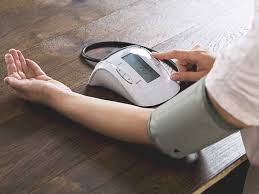
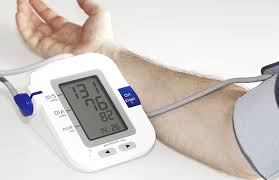
Ok, well recent or not, blood pressure checks should be a routine either by visiting a hospital and health care Centre or purchasing a blood pressure equipment, machine device or tool, whatever you may call it.
I personally recommend purchasing an equipment because at the end of this book, you’ll know the xyz of blood pressure and how to manage it.
Purchasing this equipment will not only help you to cut cost, but also keep you consistent in blood pressure routine checks.
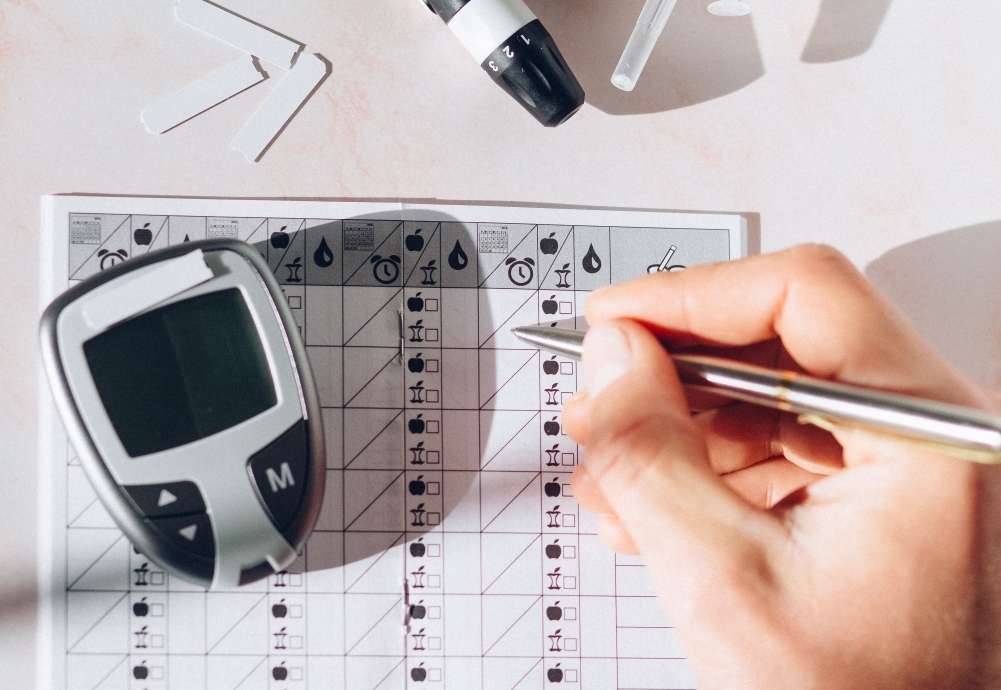
You can purchase a blood pressure record journal from Amazon either from my book store on Amazon or any other store you prefer.
Let’s get into it…
WHAT IS HIGH BLOOD PRESSURE?
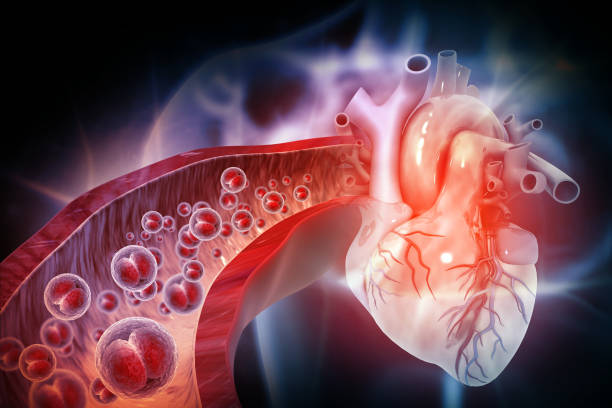
Remember that blood is the liquid substance that carries oxygen with all the important nutrient and distributes to the parts needed in the body.
Also, the heart is the machine that constantly pumps this blood using force through pipes we call arteries or blood vessels round the body.
No wonder when you place your ear on the chest of another person you will hear the sound of the vibration of the force exerted by the heart of that person.
Now your blood pressure is the amount of force pushing the blood in your blood pipes (vessels).
This force is what determine high blood pressure, low blood pressure and normal blood pressure, but this book focuses on reducing your high blood pressure to normal, since high blood pressure tends to be more frequent health condition compared to low blood pressure.
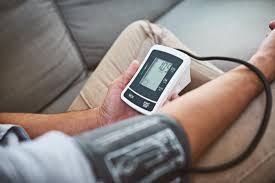
Have you ever had a blood pressure check? You’ll notice a reading like this:
120/80mmHg. Well, if you haven’t, I gat you.
Basically when your heart pumps blood it stop and pump and stop and keep repeating the circle consistently, if you place your ears in another person’s chest you’ll hear this sound dum, silent, dum, silent, dum, silent.
Notice in-between the sound dum, there is silence before another dum sound.
Now there are two main pressure in this “dum and silent” process.
The first pressure occur when the heart beat “dum” while the second pressure is the flow of the blood when the heart is “silent.”
So, the amount of force (pressure) when the heart sound “dum” is what is called “Systolic blood pressure” while the pressure (force) that occurs when the heart is silent is called “diastolic blood pressure.”
Now when next you see something like 120/80mmHg, it simply means the amount of pressure (force) the heart exert into the arteries or blood vessels (dum) over the amount of pressure (force) of the blood flow when the heart is at rest (silent) which is:
Systolic pressure/diastolic pressure related to distance or height covered by the blood “mmHg” (millimeter(s) mercury) since both mercury and blood are liquid at room temperature.
You see why the number of Systolic pressure is always greater than the number of diastolic pressure? i.e. 120/80.
If you want to know more about your blood, check out my book “how to lower your cholesterol level fast and naturally” you’ll be glad you did.
Back to the main matter, high blood pressure also called hypertension, occur when the heart works harder to pump blood round the body and the most common of this problems is when the arteries (vessels) become too narrow.
When high blood pressure persist, it will cause strain in the walls of the arteries (vessels) and lead to various health problems, some of which can be life threatening.
Also, According Dr. Sameer K. Mehta, a cardiologist and MD at Denver Heart in Lakewood, Colorado.
Blood pressure is basically the pressure within our arteries, which are the tubes that carry blood away from the heart in order to distribute oxygen to the rest of our bodies.
High blood pressure means that this consistently elevated pressure is more than what your organs and arteries can handle, As a result, the heart and arteries work harder to deliver blood and oxygen to organs.
If this occurs, part of the organs do not function properly and can die.
If the heart has to pump against high blood pressure constantly, the heart muscle can enlarge and eventually lose its ability to function properly.
High blood pressure can increase the risk of developing a heart attack, stroke, kidney failure, eye damage, heart failure and death.
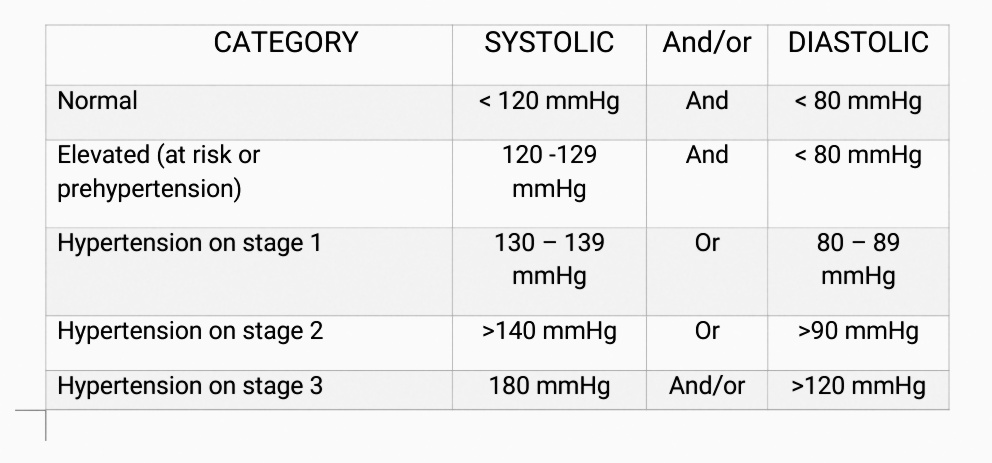
The table below shows how Doctors interpret a person’s blood pressure:
Keys
< = less than
> = greater than
– = to

WHAT ARE THE RISK FACTORS OF HIGH BLOOD PRESSURE?
The actual causes of high blood pressure are not known, but the combination of different factors is what plays the role.
High blood pressure has many risk factors, including:
- Age. As you age the risk of high blood pressure increases. HBP is more common in men while women are likely to develop HBP after age 65.
- Race. High blood pressure is mostly common among people of African heritage, often developed at an earlier age than it does in whites. Serious complications such as stroke, heart attack and kidney failure are also more common among people of African heritage.
- Family history. High blood pressure tends to run in a family with a record history of HBP conditions.
- Being overweight or obese. The more you weigh the more you need oxygen supply to your tissues. As the amount of your blood vessels increases, so on the pressure of your artery (vessel) walls.
- Not being physically active. People who are inactive tends to have high heart rate, the harder your heart works with each contractions, the stronger the force on your arteries. Lack of physical activities leads to increase in weight.
- Using tobacco. Smoking or chewing of tobacco do not only immediately raise your blood pressure temporarily, but the chemicals in tobacco can damage the linen of your artery walls which can cause your arteries to narrow and increase your risk of heart disease.
- Too much salt (sodium) in your diet. Having too much sodium in your diet can cause your body to retain fluid which increase blood pressure.
- Too little Potassium in your diet. Potassium help balance the amount of sodium in your cells. A proper balance of Potassium is critical for good heart health. If you don’t get enough Potassium in your diet or you lose too much Potassium due to dehydration or other health conditions sodium can build up in your blood.
- Drinking too much alcohol. Heavy consumption of alcohol can damage your heart over time. Having more than one drink for women and two drinks for men a day may affect your blood pressure. If you drink alcohol, do so in moderation for healthy adults, it means one drink a day for women which equals to 12 ounces of beer, 5 ounces of wine or 1.5 ounces of 80-proof liquor and for men, it is two times the figures mentioned.
- High level of stress can lead to a temporary increase in blood pressure. Stress related habits like eating more, using tobacco or drinking alcohol can lead to further increase in blood pressure.
- Certain chronic conditions. Some chronic conditions may increase your risk of high blood pressure, including kidney disease, diabetes and sleep apnea.
- Sometimes pregnancy contributes to high blood pressure as well.
- High blood pressure is most common in adults, children may be at risk if they have problems with their kidneys or heart.
- Also, poor lifestyle habits such as unhealthy diet and lack of exercise contribute to high blood pressure.
WHAT ARE THE COMPLICATION AND SYMPTOMS OF HIGH BLOOD PRESSURE?
Excess pressure on your artery walls caused by high blood pressure can damage your blood vessels as well as your organs.
The higher your blood pressure the longer it goes uncontrolled and the greater the damage.
Uncontrolled high blood pressure can lead to complications, including:
Heart attack or stroke. High blood pressure can cause hardening and thickening of the arteries (atherosclerosis), which lead to heart attack, stroke or other complications.
Aneurysm. Increase blood pressure can cause your blood vessels to weaken and bulge, forming an aneurysm. If an aneurysm ruptures, it can be life threatening.
Heart failure. To pump blood against the higher pressure in your vessels, the heart has to work heated.
This cause the walls of heart’s chamber to thicken (Left ventricular hypertrophy). Eventually, the thickened muscle may have a hard time pumping enough blood to meet your body’s needs, which can lead to heart failure.
Weakened and narrowed blood vessels in your kidneys. This can prevent the organs from functioning normally.
Thickened narrowed or torn blood vessels in the eyes. This can result in vision loss.
Metabolic syndrome. This syndrome is a group of disorders of your body’s metabolism, including increased waist size, high triglycerides, decreased high-density lipoprotein (HDL) cholesterol (the good cholesterol), high blood pressure and high insulin levels.
These conditions make you more likely to develop diabetes, heart disease and stroke.
Trouble with memory or understanding. Uncontrolled high blood pressure may also affect your ability to think, remember and learn.
Trouble with memory or understanding concept is more common in people with high blood pressure.
Dementia. Narrowed or blocked arteries can limit blood flow to the brain, leading to a certain type of dementia (vascular dementia).
A stroke that interrupts blood flow to the brain also can cause vascular dementia.
HOW TO LOWER YOUR HIGH BLOOD PRESSURE FAST AND NATURALLY?
Lose Weight if You’re Overweight
Weight loss is an important part of reducing high blood pressure, especially for people with obesity, People who are overweight can have between a two-to-six-fold increase in risk of developing hypertension.
“With less weight, the heart and arteries do not have to work as hard, “The heart muscle and the muscles in the arteries do not thicken.
Thickening can lead to further increases in blood pressure because of the elasticity of blood vessels.
To reduce weight, talk to your doctor or registered dietitian about a safe weight loss plan that will work for you.
Exercise
Regular exercise not only aids in weight loss, but also helps decrease high blood pressure.
A 2016 study found blood pressure decreased in the hours after an exercise session regardless of a person’s age, sex and other characteristics.
Most doctors recommend at least 30 minutes of moderate-intensity aerobic exercise each day.
Aerobic exercise gets the heart rate up in a gradual and consistent fashion, helps to stretch the heart and arteries, and also increases blood flow to the organs, If you can’t do 30 minutes, at least try 15 to 20 minutes a day, five to seven days a week.
Some aerobic exercise options include walking, running, swimming, using an elliptical machine, cycling and playing tennis.
Decrease Your Salt Intake
Salt is the enemy of high blood pressure, when you eat too much salt, it increases the amount of fluid that enters the bloodstream and arteries from the surrounding tissue, which raises the pressure in the arteries.
While you may not have to remove salt from your diet completely, avoid foods very high in salt like chips, french fries, salted nuts, soups, store-bought salad dressings, processed foods and cheese.
Avoid Excess Caffeine
Drinking too much coffee or too many energy drinks that contain caffeine isn’t recommended for people with high blood pressure.
“Caffeine is a form of adrenaline, It constricts the arteries and raises the heart rate, both of which increase blood pressure.”
According to Dr. Mahta, If you have high blood pressure, ask your doctor whether you need to adjust your morning coffee habit, because high levels of caffeine can worsen blood pressure control.
The Food and Drug Administration (FDA) considers four cups of coffee a day which is equivalent to 400 milligrams safe for the general population, but most experts recommend 200 milligrams or less which is two cups of coffee, for people with established hypertension.
Drink Water
Staying hydrated may be an important way to keep your blood pressure reading in a normal range. “When you’re dehydrated, the body produces stress hormones to maintain blood flow to organs,” and this response can increase blood pressure.
Ditch Alcohol
A 2019 study conducted by the American College of Cardiology found moderate alcohol consumption, defined as seven to 13 drinks a week, can substantially increase risk of high blood pressure.
Alcohol can increase body weight, deplete the body of magnesium and potassium, and also keep the body dehydrated.
Alcohol increases stress levels, which will result to elevated blood pressure over time.
Eat More Foods High in Magnesium
Incorporate high-magnesium foods into your diet. like leafy green vegetables and unsalted almonds.
Avoid Processed Foods
A healthy diet plays an important part in reducing high blood pressure, so many doctors recommend reducing consumption of processed foods because Processed foods are often loaded with sodium and saturated fats and those are the two things people with hypertension want to avoid.
“A good rule of thumb is to have multiple colors of food on your plate, like berries, bananas, beets, dark chocolate, kiwis, watermelon, oats, garlic, lentils, pomegranates, cinnamon, unsalted pistachios and fermented foods like yogurt.
Reduce Stress Through Meditation and Rest
“Chronic stress can lead to chronic elevations in the stress hormones cortisol and adrenaline,” “These hormones constrict the arteries and cause weight gain, which further increases blood pressure.”
So, it is recommended to log in quality sleep, taking breaks throughout the day, spending time in nature, listening to music and eating a balanced diet.
Quit Smoking
“Smoking leads to constriction of the arteries acutely, and contributes to the development of high blood pressure,” according to Dr. Mehta, a study in Hypertension found smoking can cause an immediate but temporal increase in blood pressure.
So, take the steps you need to quit smoking if you have hypertension.
If you are still confused on the diet to take, Try the DASH Diet
The program; Dietary Approaches to Stop Hypertension known as (DASH) diet, is “the best studied dietary approach to helping with hypertension.” It consists of foods rich in potassium, calcium, magnesium, fiber, protein and low in saturated fat and sodium.
Before I conclude, Doctors and researchers like Dr. Desai refer to high blood pressure as “the silent killer” because there typically are no symptoms, which is why it’s so important to monitor your blood pressure, especially if you are already at risk.
Conclusion
High blood pressure (hypertension) is a common condition in which the long-term force of the blood against your artery walls is high enough that it may eventually cause health problem, such as heart disease.
Blood pressure is determined both by the amount of your blood your heart pumps and the amount of resistance to blood flow in your arteries.
The more blood your hearth pumps the narrower your arteries, the higher your blood pressure.
A blood pressure reading is given in millimeters of mercury (mm Hg). It has two numbers.
Top number (systolic pressure). The first, or upper, number measures the pressure in your arteries when your heart beats.
Bottom number (diastolic pressure). The second or lower number, measures the pressure in your arteries between silence.
You can have high blood pressure for years without any symptoms. Uncontrolled high blood pressure increase your risk of serious health problems, like heart attack and stroke.
Fortunately, high blood pressure can be easily detected. And once you know you have high blood pressure, you can work toward controlling it.






 Health with julius